
Unlock the Power of Cloud HRM with Diadyn

Unlock the Power of Cloud HRM with Diadyn

cloud hrm

 Introduction

In today's fast-paced digital world, Human Resource Management (HRM) is undergoing a revolutionary transformation. Traditional HR systems, once confined to on-premise servers and manual processes, are giving way to more agile, scalable, and efficient solutions. At the forefront of this evolution is Cloud-based Human Resource Management (Cloud HRM) a technology that’s reshaping how organizations attract, manage, and retain talent.

What is Cloud HRM?

Cloud HRM refers to HR software solutions that are hosted on remote servers and accessed via the internet. Unlike traditional systems, which require heavy infrastructure and IT support, cloud HRM platforms offer flexibility, remote access, and real-time updates. These platforms integrate core HR functions like payroll, attendance, recruitment, performance management, and employee engagement into one centralized system.

Key Benefits of Cloud HRM

1. Anywhere, Anytime Access

Cloud HRM systems empower HR professionals, managers, and employees to access crucial HR data from anywhere. Whether working remotely, traveling, or operating from multiple global locations, your team stays connected and informed.

2. Scalability and Flexibility

As your organization grows, your HR needs evolve. Cloud HRM platforms can easily scale to accommodate new employees, departments, and even international operations without major system overhauls or infrastructure changes.

3. Enhanced Security

Data security is a top concern for any business. Reputable cloud HRM providers implement advanced security protocols, including encryption, regular backups, and compliance with GDPR and other data protection laws, to ensure your information is always safe.

4. Cost Efficiency

With no need for physical servers or extensive IT maintenance, cloud HRM reduces overhead costs. Subscription-based pricing models also make budgeting more predictable and manageable.

5. Automation and Efficiency

Cloud HRM automates repetitive tasks such as payroll processing, leave tracking, and performance appraisals. This automation reduces human error and frees up HR teams to focus on strategic initiatives like talent development and organizational culture.

6. Real-Time Analytics

Gain actionable insights into your workforce with dashboards and reports. Cloud HRM provides real-time data to support decision-making in areas such as hiring, retention, employee satisfaction, and more.

Essential Features of Cloud HRM

To harness its full power, look for these core features:

  • Employee Self-Service: Allow staff to update personal details or request time off independently.

  • Recruitment Tools: Streamline hiring with applicant tracking and interview scheduling.

  • Performance Management: Track goals and reviews with automated workflows.

  • Payroll Integration: Sync HR data with payroll systems for accurate compensation.

  • Analytics Dashboard: Gain insights into workforce trends and productivity metrics.

Real-World Applications

  • Recruitment and Onboarding: Speed up hiring processes and streamline onboarding with automated workflows and digital documentation.

  • Performance Management: Monitor goals, provide feedback, and conduct evaluations through a unified platform.

  • Employee Self-Service: Empower employees to manage their own information, request time off, and access pay slips without HR intervention.

Final Thoughts

The future of HR is agile, data-driven, and people-focused and cloud HRM is the key to unlocking that potential. By embracing this technology, companies can not only optimize their HR operations but also create a better employee experience that drives growth and innovation.

Diadyn HRM combines cutting-edge technology with practicality, making it an ideal choice for organizations of all sizes. Ready to amplify your results? Take the next step with Diadyn HRM and unlock the full potential of your workforce today!

Transform Your Retail Experience with Cloud-Based POS Solution !

Transform Your Retail Experience with Cloud-Based POS Solution !

pos

 Introduction

In today’s competitive retail environment, customer expectations are higher than ever. Seamless transactions, real-time inventory updates, mobile checkouts, and personalized service aren’t just nice-to-haves  they’re essential. If your business still relies on outdated, on-premise systems, you might be falling behind.

A cloud-based Point of Sale (POS) solution is revolutionizing how retailers manage their businesses, offering flexibility, efficiency, and scalability like never before.

What is a Cloud-Based POS?

A cloud-based POS system stores your sales, inventory, and customer data online  rather than on a single computer or local server. This allows your team to access business information from anywhere, on any internet-connected device.

Unlike traditional systems, cloud POS offers flexibility, scalability, and real-time insights without the headache of hardware maintenance or manual updates.

Key Benefits of Cloud-Based POS in Retail

1. Real-Time Inventory Management

Cloud POS systems update inventory across all your locations the moment a sale is made. This minimizes stockouts and overstock situations, ensuring you are always in control.

2. Access Anywhere, Anytime

Whether you are on the sales floor, at home, or traveling, you can monitor store performance, check inventory, and manage staff with full access to your dashboard.

3. Improved Customer Experience

Faster checkouts, loyalty programs, personalized promotions, and mobile payment options all contribute to a better shopping experience  boosting satisfaction and return visits.

4. Scalability

Opening new store locations or pop-up shops? Cloud-based POS can be deployed instantly without complex hardware setups or server installations.

5. Cost-Effective Operations

Eliminate the costs of servers, IT maintenance, and software upgrades. Cloud POS providers handle updates and security patches automatically, saving time and money.

6. Actionable Analytics

Understand which products are performing, what time of day is busiest, or which employee is top-performing  with real-time reports and data visualizations.

Key Advantages of Cloud-Based POS Solutions

1. Remote Accessibility

  • Access your POS system from anywhere with an internet connection laptop, tablet, or smartphone.

  • Perfect for multi-location businesses or remote store management.

2. Real-Time Data & Reporting

  • View live sales, inventory levels, employee performance, and customer behavior instantly.

  • Make faster, data-driven decisions with up-to-date insights.

3. Automatic Updates & Maintenance

  • No need for manual software updates or costly IT support.

  • Providers push new features, security patches, and bug fixes automatically.

4. Scalability

  • Easily add new registers, users, or store locations without complex installations.

  • Scale your business without significant infrastructure costs.

5. Improved Security

  • Cloud POS providers offer data encryption, automatic backups, and secure user access controls.

  • Less risk of data loss due to theft, hardware failure, or natural disasters.

6.Lower Total Cost of Ownership (TCO)

  • Subscription-based pricing eliminates the need for large upfront investments.

  • Save on hardware, maintenance, and software licensing costs.

Who Can Benefit?

Cloud-based POS systems are ideal for a range of businesses:

  • Small Retailers: Affordable and easy to set up, perfect for startups.

  • Multi-Location Stores: Real-time data sync across all sites.

  • Restaurants: Integrate online ordering and delivery seamlessly.

  • E-Commerce Businesses: Unify online and in-store sales channels.

Final Thoughts

Retail success today depends on agility, data, and customer-centric service. A cloud-based POS system empowers your business with all three  providing the tools you need to grow faster, sell smarter, and deliver unforgettable retail experiences.

Diadyn Technology’s cloud POS solution is the perfect tool for businesses aiming to improve efficiency, enhance customer experiences, and drive growth. With its comprehensive features and cloud-based convenience, managing and expanding your business has never been easier.

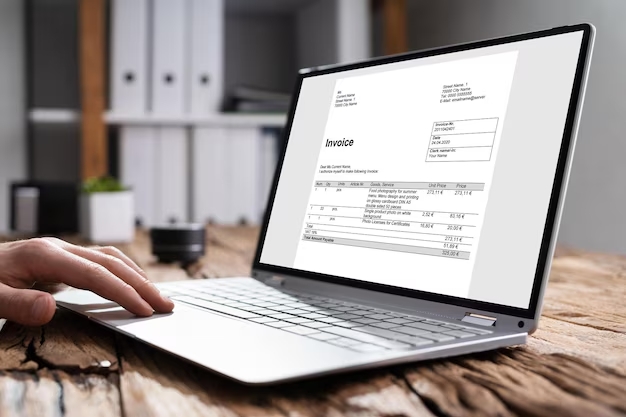
Revolutionize Your Billing Process with Advanced Cloud Billing Software

Revolutionize Your Billing Process with Advanced Cloud Billing Software

cloud billing

Introduction

In today’s fast-paced digital economy, traditional billing systems no longer meet the demands of modern businesses. With increasing complexity in pricing models, customer expectations for transparency, and the need for real-time analytics, companies are turning to advanced cloud billing software to streamline operations and stay competitive.

Why Billing Needs a Revolution

Manual billing processes or outdated on-premise systems are often error-prone, time-consuming, and inflexible. Businesses face challenges such as:

  • Delayed invoicing and revenue recognition

  • Difficulty in managing subscriptions or usage-based billing

  • Limited visibility into billing data and customer behavior

  • Inefficient reconciliation and reporting

These issues don't just cause frustration they lead to revenue leakage, poor customer experiences, and stunted growth.

The Rise of Cloud Billing Software

Cloud billing software offers a smarter, faster, and more scalable approach to billing. Here’s how it’s transforming the way businesses manage their finances:

1. Automated Invoicing and Payment Collection

Say goodbye to manual errors and missed payments. Cloud billing platforms automate invoice generation, payment reminders, and collections ensuring accuracy and timely revenue capture.

2. Flexible Pricing Models

Whether it’s one-time charges, subscriptions, usage-based, or hybrid models, advanced cloud billing software can handle all types with ease. This flexibility allows businesses to innovate with pricing and adapt quickly to market demands.

3. Real-Time Data and Analytics

Make informed decisions with access to real-time revenue data, customer insights, and billing trends. Built-in dashboards and reporting tools help identify bottlenecks and opportunities instantly.

4. Improved Compliance and Security

Cloud-based systems are regularly updated to comply with tax laws, industry standards, and data privacy regulations. Plus, robust encryption and security measures ensure your financial data is safe.

5. Seamless Integrations

Modern billing platforms integrate effortlessly with CRM, ERP, payment gateways, and other business tools eliminating data silos and improving workflow efficiency.

Why Switch to Cloud Billing Software?

Traditional billing methods often lead to errors, delays, and high costs. Cloud billing software, hosted online, centralizes your billing data and automates tasks, accessible anytime, anywhere. It’s a game-changer for businesses of all sizes, from startups to enterprises, looking to modernize their financial workflows.

Key Advantages

  • Automation: Generate invoices, send reminders, and process payments automatically.

  • Real-Time Insights: Track revenue and overdue payments with up-to-date dashboards.

  • Scalability: Easily handle growing transaction volumes as your business expands.

  • Cost Savings: Reduce manual labor and eliminate the need for on-site servers.

  • Global Access: Manage billing from any device, perfect for remote teams.

Who Benefits Most?

This technology suits various industries:

  • E-Commerce: Seamlessly manage recurring payments and subscriptions.

  • Freelancers/SMBs: Simplify invoicing with affordable, user-friendly tools.

  • Large Enterprises: Handle complex billing cycles across multiple regions.

  • Service Providers: Automate billing for hourly or project-based work.

Final Thoughts

In an era where efficiency, accuracy, and flexibility are key to business success, relying on outdated billing methods is no longer sustainable. Advanced cloud billing software offers more than just automation it delivers the agility and insights needed to scale faster, serve customers better, and stay ahead of the competition. Whether you're a growing startup or an established enterprise, upgrading your billing infrastructure is a strategic move that can drive measurable impact across your operations. Now is the time to take control of your revenue lifecycle, minimize errors, and future-proof your billing process.

Ready to transform your business? Explore the benefits of Diadyn cloud billing software today and see how it can revolutionize your billing process.

Top Signs Your Business Needs a CRM Software Right Now

Top Signs Your Business Needs a CRM Software Right Now

crm software

If you are managing customer relationships using spreadsheets, sticky notes, or just your memory you are not alone. But as your business grows, so does the complexity of managing leads, sales, follow-ups, and support. That’s where a Customer Relationship Management software comes in.

Still not sure if it’s time to make the switch? Here are the top signs your business needs a CRM right now.

1. Leads Are Slipping Through the Cracks

If you have ever forgotten to follow up with a prospect or can't remember where you left off with a lead, it's a major red flag. A CRM helps you track every interaction, set reminders, and move leads through the sales pipeline with clarity.

2. You Have Customer Data Scattered Everywhere

Spreadsheets, inboxes, business cards, and your sales rep’s head sound familiar? If your team can’t access accurate customer data in one place, they’re likely wasting time and duplicating effort.

3. Your Team Lacks Visibility Into Sales Activities

Not knowing what your sales team is working on can make forecasting and coaching nearly impossible. A CRM gives managers real-time insights into deals, tasks, and performance.

4. Your Follow-Ups Are Inconsistent

Manual reminders, sticky notes, or “I’ll do it later” don’t cut it in today’s competitive landscape. CRMs automate reminders, email sequences, and task assignments so no one forgets to follow up again.

5. You Can't Personalize Customer Interactions

Customers expect businesses to know who they are, what they have bought, and what they need next. A CRM captures purchase history, preferences, and conversation logs to help you tailor every interaction.

6. Reporting Is a Nightmare

If creating a sales or performance report takes hours or worse, you are guessing then it’s time to level up. A good CRM provides dashboards and reports that update in real-time.

7. Your Business Is Growing Fast

Growth is great, but with more leads, customers, and team members comes more complexity. A CRM scales with you, helping manage increasing volumes without losing efficiency or quality.

8. You Struggle with Team Collaboration

Are reps stepping on each other’s toes? Or maybe your support and sales teams don’t have the same info? CRMs allow teams to collaborate effectively, with shared notes, task assignments, and deal histories.

Final Thoughts

If even a few of these signs sound familiar, your business is ready for a CRM. The right system will do more than just organize contacts it will unlock growth, improve productivity, and help you deliver standout customer experiences.

Diadyn CRM, with its cloud-based flexibility and robust features, can address these challenges head-on. Don’t wait implement a CRM now to streamline operations, boost efficiency, and drive success in the ever-evolving market.

Customer Relationship Management: Unlocking the Secrets to Business Success

Customer Relationship Management: Unlocking the Secrets to Business Success

customer relationship management

In today's fiercely competitive marketplace, customer loyalty isn't earned it’s cultivated. And at the heart of every thriving business lies one crucial element: strong customer relationships. This is where Customer Relationship Management (CRM) steps in as a powerful tool that goes far beyond storing contact details it transforms how businesses connect, engage, and grow with their customers.

What Is Customer Relationship Management (CRM)?

Customer Relationship Management (CRM) refers to a set of strategies, technologies, and tools that businesses use to manage interactions with both current and potential customers. A robust CRM system centralizes customer information, streamlines processes, improves customer service, and ultimately drives growth.

Why CRM Is the Key to Business Success

Let’s break down how CRM unlocks real business value:

1. Enhanced Customer Experience

A CRM system gives businesses a 360-degree view of their customers past purchases, preferences, feedback, and more. This allows companies to offer personalized experiences that make customers feel seen, understood, and valued.

2. Improved Sales Efficiency

With CRM, sales teams can automate lead tracking, prioritize high-potential prospects, and follow up more effectively. Features like sales pipeline management, automated reminders, and analytics boost productivity and help close deals faster.

3. Data-Driven Decision Making

CRM tools gather real-time data on customer behavior, campaign performance, and sales trends. With built-in analytics and reporting, business leaders can make informed decisions rather than relying on guesswork.

4. Stronger Team Collaboration

CRM isn’t just for sales it connects teams across marketing, customer service, and support. With shared data, everyone stays aligned and focused on delivering consistent, high-quality service at every touchpoint.

5. Boosted Customer Retention

Acquiring a new customer can cost five times more than retaining an existing one. CRM enables proactive communication and loyalty-building strategies, helping businesses nurture long-term relationships and reduce churn.

Navigating Adoption Challenges

Switching to CRM can present hurdles, but these can be overcome:

  • Cost Management: Opt for scalable, affordable solutions like Diadyn CRM.

  • Staff Buy-In: Offer comprehensive training to ease the transition.

  • Data Transition: Partner with experts for a smooth migration process.

  • Tailored Fit: Choose a CRM that aligns with your unique business workflow.

Embrace the CRM Mindset

CRM is more than software it’s a philosophy of placing customers at the heart of your strategy. Businesses that adopt this mindset, rather than treating it as a standalone tool, report higher satisfaction and profitability. It’s about fostering trust and delivering value consistently.

CRM is Not Just a Tool It’s a Mindset

Implementing CRM isn’t just about software; it’s a strategic shift. It’s about putting the customer at the center of every decision and building systems that support long-term trust and satisfaction. Companies that embrace CRM as a philosophy not just a platform see better results across the board.

Overcoming Adoption Hurdles

Transitioning to CRM can face challenges, but here’s how to tackle them:

  • Budget Concerns: Start with scalable, cost-effective solutions.

  • Team Resistance: Provide training to encourage adoption.

  • Data Migration: Use expert support for smooth transitions.

  • Customization: Select a CRM aligned with your unique workflow.

Final Thoughts

Customer Relationship Management is no longer optional it’s essential. Whether you're a startup looking to grow or an established enterprise aiming to scale, CRM is the secret weapon that unlocks deeper customer insights, stronger loyalty, and ultimately, sustainable business success.

Ready to take your customer relationships to the next level? 
Try Diadyn CRM today and discover how Diadyn CRM can help you scale smarter, serve better, and sell faster.